An anion gap of 16 often suggests the result is toward the high end of the normal range or a little higher than that, depending on the lab’s reference range. For many people, this is a borderline high result rather than an emergency by itself. The meaning depends on the full blood test, especially the electrolytes measured in the electrolyte panel, such as sodium, chloride, and bicarbonate. A result of 16 can matter more when it appears with low bicarbonate, other abnormal lab results, or concerning symptoms.
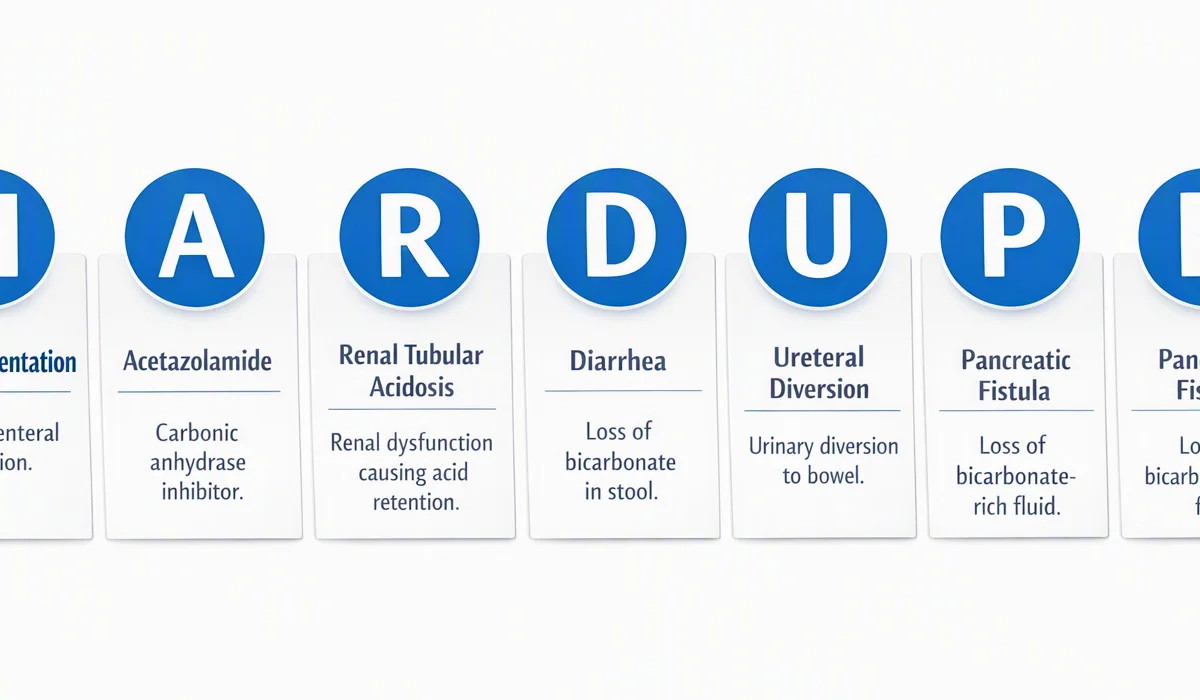
An Anion Gap Calculator can help you estimate and understand the number, but it cannot diagnose the cause on its own. The best approach is to look at the anion gap as part of overall clinical interpretation, not as a standalone diagnosis. In context, a value of 16 may be consistent with a mild metabolic disturbance, a possible high anion gap state, or https://anion-gap-range765.trexgame.net/anion-gap-calculator-for-alcoholic-ketoacidosis simply normal lab variation.
Understanding the Anion Gap?
The anion gap is a measurement based on common electrolytes in the blood. It helps doctors evaluate acid-base balance and look for hidden causes of metabolic problems. The calculation usually relies on sodium, chloride, and bicarbonate, which are part of standard blood chemistry or serum chemistry testing.
Although the name sounds technical, the idea is simple. Blood contains charged particles, including positively charged ions and negatively charged ions. The anion gap calculates the difference between major measured ions and can suggest extra acids in the body. That is why it is often used as a diagnostic marker for certain forms of metabolic acidosis.
In many cases, an elevated result reflects acid accumulating in the blood because of a cause of acidosis such as lactic acidosis, ketoacidosis, or reduced kidney clearance. A low or normal result can also be meaningful, especially if the patient has an electrolyte imbalance or abnormal protein levels. So the anion gap is best understood as part of a bigger picture of patient assessment.
How an Anion Gap Calculator Operates
An Anion Gap Calculator uses values from a standard electrolyte panel to calculate the gap. In the usual formula, sodium is compared with chloride and bicarbonate. The result provides a brief snapshot of the balance between measured cations and anions in the blood.
Here is the simple concept:
- Sodium is usually the highest measured positive ion. Chloride and bicarbonate are primary measured negative ions. The difference between them shows unmeasured anions in the blood.
This is why the calculator is helpful. It helps turn raw lab results into a number that can support clinical interpretation. If bicarbonate is low, the anion gap may rise, which can point to a high anion gap metabolic disorder. That said, the calculator only works with the numbers you enter. It does not account for the whole clinical picture, including albumin, kidney status, medications, or possible toxin exposure.
The anion gap is often discussed during evaluation of electrolyte imbalance or suspected acidosis. When the number is unusual, clinicians may look deeper into the serum chemistry pattern, other blood test findings, and the patient’s overall condition. This is especially true if there is a significant drop in bicarbonate or signs of organ dysfunction.
Is an Anion Gap of 16 Normal?
An anion gap of 16 can be normal in some laboratories and mildly elevated in others. This is due to the fact that the reference range can vary from one lab to another based on the analysis used, the analyzer, and the measurement method. Some labs use a lower maximum limit, while others consider 16 to be still in the normal range or just at the edge of it.
That is why one number alone does not tell the whole story. If your lab’s lab reference intervals give the upper limit as 16, then the result may not be abnormal. If the upper limit is 14, the same value would be considered borderline high. Small differences in methodology can create apparent changes that are really just lab variation.
In practical terms, an anion gap of 16 is often viewed as:
- Acceptable, if it falls inside the lab’s stated range Borderline high, if it is just above the range More worrisome if bicarbonate is low or symptoms are present
This is why the result should be interpreted with the full lab result, not in isolation. A mild increase does not automatically mean disease, but it may prompt a closer look of renal function, fluid status, and other markers.
Typical Causes of a Slightly Increased Anion Gap
A mildly elevated anion gap can arise for several reasons. The main ones usually involve additional acid in the body or limited ability to clear acid. In many cases, the result suggests metabolic acidosis, which means the blood has become more acidic than normal.
Typical causes include:
- Lactic acidosis, which can occur when the body makes too much lactate or cannot eliminate it properly Ketoacidosis, which may happen during uncontrolled diabetes, prolonged fasting, or heavy alcohol use Kidney disease, where reduced renal function reduces acid removal Medication effects or toxin exposure in some cases Short-term changes related to illness, dehydration, or changes in fluid status
Lactic acidosis is often associated with poor oxygen delivery, severe infection, heavy exercise, seizures, or shock. Ketoacidosis is marked by ketone buildup, which adds to acid load and lowers bicarbonate. Kidney disease can also raise the anion gap because the kidneys are not as able to remove acids and maintain normal blood chemistry.
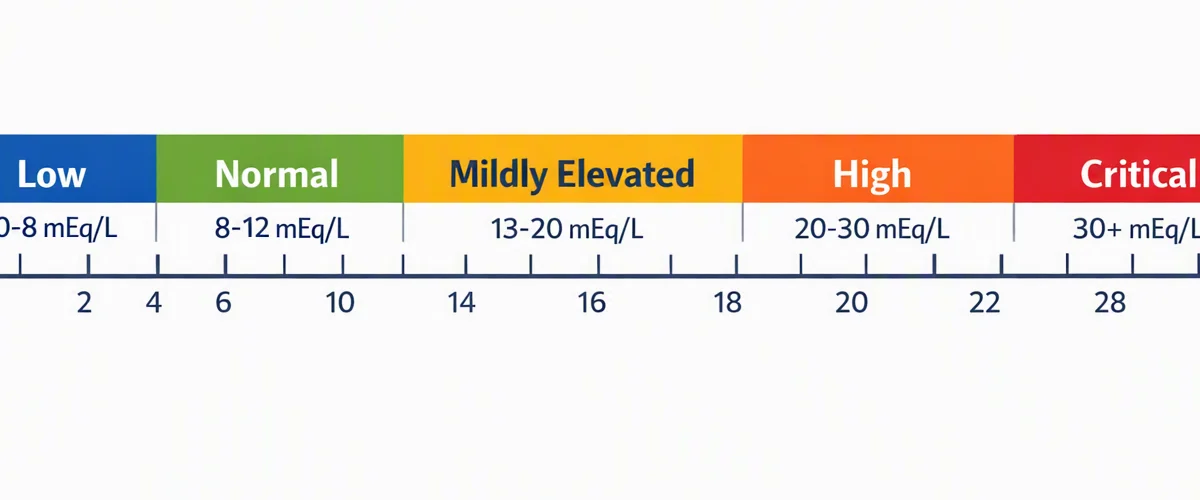
It is useful to note that the anion gap is not a diagnosis. It is an indicator. If the value is mildly elevated, the real question is what is driving the change in the acid-base balance. Sometimes the answer is obvious from the rest of the blood test. Other times, the clinician may need additional testing to identify the cause.
Warning signs and When an Elevated Anion Gap Should Raise Concern
A slightly high anion gap does not always produce noticeable symptoms. In fact, many people feel fine when the number is only slightly above the reference range. The concern grows when the result is paired with illness, abnormal vital signs, or symptoms that point to worsening acidosis.
Symptoms that may matter include:
- Shortness of breath Mental fog or excessive sleepiness Dehydration Queasiness or vomiting Lack of strength or tiredness
Shortness of breath can happen when the body attempts to adjust for acidosis by changing the way it breathes. Confusion may suggest a more serious metabolic issue or broader organ dysfunction. Fluid loss can intensify electrolyte imbalance and change lab values, especially if fluid status is out of balance. If symptoms are intense or progressing, a medical evaluation should not be delayed.
This result matters more when it is seen with a low bicarbonate level, an off glucose reading, renal dysfunction, or evidence of infection. In those settings, the anion gap may be a sign to a deeper metabolic disturbance that needs quick assessment.
How Doctors Assess the Value
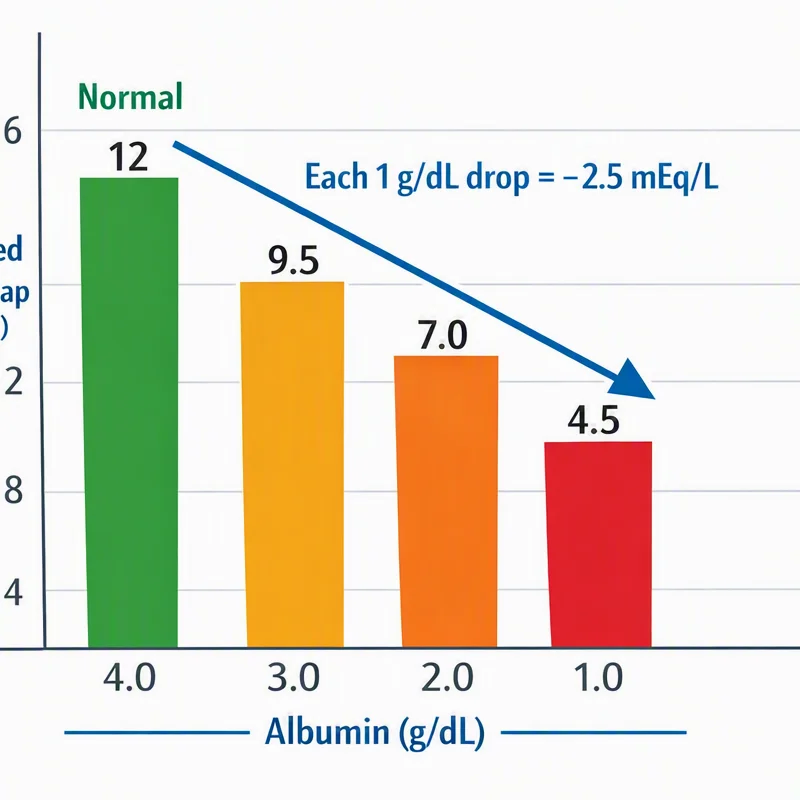
Clinicians evaluate an anion gap result by reviewing the complete context, not just the number. They examine the albumin level first, because low albumin can make the measured gap look lower than expected. In those cases, a corrected anion gap may be calculated to more precisely reflect the true acid burden.
They also consider whether an arterial blood gas is needed. This test helps show pH, carbon dioxide, and bicarbonate status more clearly. When combined with the electrolyte panel, it can reveal whether the patient truly has metabolic acidosis, respiratory compensation, or a mixed disorder.
The process usually includes:
- Examining the blood test and electrolyte panel Reviewing albumin for possible correction Assessing the corrected anion gap if albumin is low Looking for a cause of acidosis, such as lactic acidosis or ketoacidosis Evaluating renal function, fluid status, and the overall clinical picture
This is where clinical interpretation becomes essential. A borderline number may be ignored in one person but evaluated in another, depending on symptoms, medical history, and other lab results. The same lab result can mean something very different in a healthy person than in someone with kidney disease, diabetes, or possible toxin exposure.
What to Proceed with Next if Your Anion Gap Is 16
If your anion gap is 16, the next step is usually to discuss the result with a medical professional. The right response depends on your symptoms, other labs, and whether the value is fresh or persistent. One isolated lab result does not always require urgent action, but it should not be ignored if it is out of range or if you feel bad.
Practical next steps may involve:
- Repeat testing if the result seems surprising or inconsistent with prior labs Assessing the full electrolyte panel and blood test Checking for an underlying cause, such as metabolic acidosis or kidney disease Talking about recent illness, medications, diet changes, and hydration Checking in with your healthcare provider for interpretation
Repeat testing can help determine whether the number was a single fluctuation or part of a real pattern. A single mildly high result may reflect lab variation, while a persistent increase can point to a true metabolic disturbance. If there are symptoms like confusion, shortness of breath, or severe dehydration, seek prompt medical evaluation.
If you used an Anion Gap Calculator and got 16, remember that the calculator is only a tool for estimating the anion gap calculation. It does not replace patient assessment, especially when there are signs of illness. The most useful question is not only whether the number is high, but whether it fits the rest of the clinical picture.
Frequently Asked Questions
Is an anion gap of 16 considered high?
It can be, but not always. Whether an anion gap of 16 is high depends on the lab’s reference range. Some labs would consider it normal, while others would flag it as borderline high. The result should be interpreted with bicarbonate, albumin, and the rest of the electrolyte panel.
What causes a slightly elevated anion gap?
A slightly elevated anion gap may be caused by mild metabolic acidosis, lactic acidosis, ketoacidosis, kidney disease, dehydration, or lab variation. It can also appear with changes in albumin or other factors that affect acid-base balance.
Should I be concerned about anion gap of 16?
Not necessarily. Anion Gap Calculator result of 16 is often borderline and may not be serious by itself. It matters more if you have symptoms, low bicarbonate, abnormal kidney function, or other concerning lab findings. A doctor’s evaluation is a good idea if you feel unwell.
Is dehydration able to cause anion gap of 16?
Yes. Dehydration can occasionally raise the anion gap a little, especially if it affects fluid levels, blood concentration, or kidney function. It is not the only possible cause, so the result still needs to be interpreted in the full clinical context.
Should I repeat the test if my anion gap is 16?
Repeat testing can be helpful at times, especially when the result is unexpected or unlike previous blood chemistry results. Another lab test can help confirm whether the value was temporary or persistent. Your healthcare provider can tell you whether follow-up testing is needed based on the rest of your blood test and symptoms.