What the Anion Gap Shows
The anion gap is a practical way to estimate the discrepancy between commonly measured electrolytes in the blood and the not directly measured charged particles that help maintain acid-base balance. In clinical practice, it is most often used to help evaluate metabolic acidosis and other acid-base disorders.
An anion gap calculator uses standard laboratory values such as sodium, chloride, and bicarbonate to assist in detecting whether there are additional unmeasured anions in the plasma. In routine care, this is a helpful part of clinical interpretation because it can indicate a particular metabolic derangement even before the full picture is known.
The basic idea is simple: sodium represents most of the measured positive charge, while chloride and bicarbonate represent key measured negative charges. The gap illustrates the relationship between these laboratory values and the unseen ions that are not directly reported on a standard electrolyte panel.
Although the number itself is only one piece of the puzzle, it is a helpful screening tool for identifying an abnormal acid-base state and guiding a more focused diagnostic algorithm. In settings such as critical care, the anion gap can help identify whether a patient likely has an acid-base disturbance that needs urgent workup.
How to Operate an Anion Gap Calculator
To use an anion gap calculator, begin with a serum chemistry panel and input the input values for sodium, chloride, and bicarbonate. Several calculators also support entry of serum albumin, which is useful when you want an albumin-corrected anion gap.
The calculator uses the anion gap formula and returns a value that can be compared with the expected reference range. A result above the expected range may suggest excess acids or other unmeasured anions, while a normal value does not fully exclude an acid-base disorder.
For clinical use, the process should be structured:
- Confirm the basic electrolyte values on the serum chemistry panel. Check whether serum albumin is available. Enter the input values carefully to avoid transcription mistakes. Review the calculated anion gap in the context of the patient’s symptoms and other laboratory values. Determine whether an albumin correction is needed before interpreting the result.
The calculator is best used as a decision-support aid, not as a standalone diagnosis. A single number does not replace bedside assessment, medication review, or more advanced acid-base analysis. Instead, it helps clinicians recognize patterns that warrant a closer look.
Anion Gap Formula and Calculation Methods
The classic anion gap formula is commonly written as:
Anion gap = Sodium − (Chloride + Bicarbonate)
Some laboratories and references include potassium in the equation:
Anion gap = Sodium + Potassium − (Chloride + Bicarbonate)
Both versions are used in clinical practice, but the sodium-only version is more standard because potassium contributes relatively little to the total. Still, it matters to know which method your calculator uses so you can match the result with the correct reference range.
The corrected anion gap is especially important when serum albumin is low. Because albumin is a major unmeasured anion, low levels can make the uncorrected gap appear falsely normal. In that setting, albumin correction helps reveal hidden acid accumulation that might otherwise be missed.
For practical use, the calculator should readily show which method is being applied. That prevents confusion when the result is reviewed alongside other electrolytes and supports more reliable diagnostic support in real-time care.
Typical Anion Gap Range and Interpretation
The usual reference range for the anion gap depends on the assay method, testing platform, and whether potassium is included. Because of this, there is not one universal normal number. Rather, clinicians should interpret the result using the lab-specific range reported with the patient’s laboratory values.
A normal anion gap generally suggests that the balance between measured cations and anions is in the normal range, but it does not rule out disease. A patient may still have normal anion gap metabolic acidosis, especially if there is a compensatory rise in chloride.
A high anion gap suggests accumulation of acids or other unmeasured substances. That finding is especially important when evaluating possible metabolic acidosis. However, the degree of elevation may be blunted by hypoalbuminemia or distorted by lab variation.
Interpretation should always consider the full clinical picture:
- Does the patient show acidemia on blood gas testing? Are there indications of shock, hypoperfusion, or toxin exposure? Do the electrolytes show concurrent hyperchloremia? Is the bicarbonate reduced in a way that fits the expected pattern?
These questions turn a raw value into meaningful clinical interpretation.
Origins of high anion gap metabolic acidosis
High anion gap metabolic acidosis occurs when acids collect at a faster rate than the body can eliminate them or buffer them. This leads to a increase in unmeasured acid anions and a decrease in serum bicarbonate.
Typical causes include lactic acidosis, ketoacidosis, and renal failure. In lactic acidosis, poor oxygen delivery or mitochondrial dysfunction results in lactate accumulation. In ketoacidosis, ketone bodies rise in states such as diabetic decompensation, starvation, or alcohol-related metabolic stress. In renal failure, the kidneys cannot eliminate acid effectively, so retained organic acids increase the anion gap.
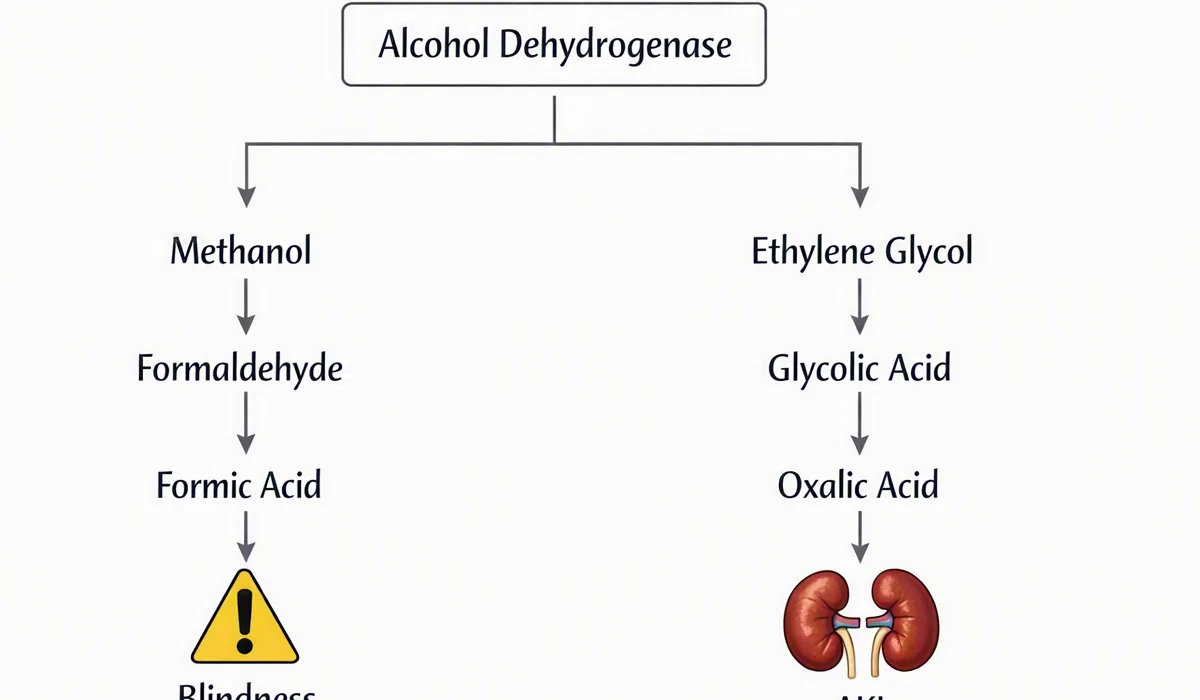
Other causes can include toxic ingestions, but the most clinically common scenarios are those above. The practical value of the calculator is that it alerts clinicians to a pattern that fits a metabolic derangement even before all confirmatory testing is complete.
In real-world assessment, a high result should prompt a search for the underlying driver rather than a focus on the number alone. The next step is to find whether the elevation is due to hypoperfusion, insulin deficiency, kidney dysfunction, or another process affecting acid-base balance.
Reasons for normal anion gap metabolic acidosis
normal anion gap metabolic acidosis is also called hyperchloremic acidosis. In this state, bicarbonate is depleted or used up, and chloride climbs to preserve electroneutrality. The result is a lowered serum bicarbonate with a largely unchanged gap.
A common cause is diarrhea, which leads to direct digestive bicarbonate loss. Another key cause is renal tubular acidosis, where the kidneys cannot properly acidify the urine or reclaim bicarbonate, leading to persistent acid-base imbalance.
Because chloride goes up as bicarbonate declines, the measured chloride may appear disproportionately high. That pattern helps separate this disorder from a high-gap process. Still, overlapping disorders may occur, so the calculator should be viewed as an element of a broader diagnostic algorithm.
In practice, recognizing hyperchloremia alongside low bicarbonate can help pinpoint the cause of metabolic acidosis and help not miss a normal-gap pattern that calls for a different workup than lactic acidosis or ketoacidosis.
In What Way Albumin Changes the Anion Gap
Serum albumin is a key contributor to the body’s hidden negative electrical charge. As a result, hypoalbuminemia can reduce the measured anion gap even when acid accumulation is present. This is why albumin-corrected anion gap values are so important in patient assessment.
The association is rooted in protein charge: albumin carries negative charge at physiologic pH, so when albumin falls, the measured gap may also decline. In patients with critical illness, low albumin is frequent, which makes uncorrected results less reliable.
Albumin correction helps clinicians sidestep a false sense of security. A patient with sepsis, shock, or organ failure may have a “normal” raw value but still carry a clinically significant high anion gap metabolic acidosis once the correction is performed.
For this reason, many clinicians choose using a calculator that includes plasma albumin or serum albumin as an input. That approach improves the usefulness of the anion gap calculation as a practical screening tool and promotes better recognition of unmeasured acid excess.
Common Clinical Issues and Common Calculation Errors
A number of pitfalls can make an otherwise useful result inaccurate. One common issue is laboratory error, including sample contamination, delayed processing, or an analyzer problem. If the result does not fit the patient’s condition, rechecking is https://anion-gap-results932.timeforchangecounselling.com/how-to-interpret-the-anion-gap-in-blood-gas-results important.
One other mistake is failing to recognize mixed acid-base disorders. A patient may have both an elevated gap and a concurrent metabolic process that obscures the expected bicarbonate change. This is especially relevant in sicker inpatients.
Potassium omission is a further point of confusion. If a calculator includes potassium and the clinician expects a sodium-only formula, the numbers will not match. Always know which anion gap formula is being used.
Unit mismatch can also distort the calculation. Input values must be in the correct units, and the calculator should not be fed values from different reporting systems without confirmation. Even small entry errors can create a false impression of a major electrolyte disturbance.
Good clinical practice is to treat the calculator as one part of an acid-base analysis, not the final answer. If the result is unexpected, recheck the raw electrolytes, review the chart, and compare the trend with prior laboratory values.
When to Reassess Labs or Request Further Testing
More testing is appropriate when the anion gap does not match the clinical picture, when the patient appears unstable, or when the result suggests a serious metabolic derangement. A repeat panel can help confirm whether the abnormality is persistent or due to transient variation.
An arterial blood gas is useful when you need a broader assessment of acid-base status, including pH and respiratory compensation. This is especially helpful if the bicarbonate value and clinical findings do not align.
Further targeted tests may include serum lactate when lactic acidosis is thought possible, or ketones when ketoacidosis is suspected. If the history suggests ingestion of a toxin or an unusual osmotically active compound, an osmolar gap may offer helpful clues.
Repeating the test is also reasonable if there is concern about laboratory error, sample handling issues, or a changing clinical condition such as evolving renal failure. The goal is to use the calculator as a prompt for directed workup, not as an answer.
When interpreted accurately, the tool can guide timely decisions, aid recognition of metabolic acidosis, and support a more structured response to acid-base abnormalities.
FAQ About the Anion Gap
What is an anion gap calculator used for?
An anion gap calculator is used to estimate the difference between measured cations and anions on a serum chemistry panel. From a clinical standpoint, it helps assess acid-base balance, identify possible unmeasured anions, and support evaluation of metabolic acidosis. It is especially useful as a screening tool and part of broader clinical interpretation.
What is a normal anion gap range?
The normal range depends on the laboratory method and whether the calculation includes potassium. Because of lab variation, the best comparison is the lab-specific reference range that accompanies the patient’s results. A normal number does not exclude all acid-base disorders, especially normal anion gap metabolic acidosis.
How do you calculate the anion gap?
The most common anion gap formula is sodium minus the sum of chloride and bicarbonate. Some methods include potassium. The key is to use the same method as the calculator or laboratory report and confirm the units before interpreting the result.
Why should you correct the anion gap for albumin?
You adjust to account for albumin because serum albumin is a key unmeasured anion. With hypoalbuminemia, the raw gap may seem falsely normal. An albumin-corrected anion gap helps uncover hidden acid accumulation and improves the detection of high anion gap metabolic acidosis, especially in critical illness.
What conditions cause a high anion gap?
Common causes of high anion gap metabolic acidosis include lactic acidosis, ketoacidosis, and renal failure. Other causes exist, but these are among the most frequent and important in practice. When the gap is high, clinicians should look for the underlying source of acid production or impaired acid clearance and consider additional testing if needed.