An Anion Gap Calculator is a useful assessment tool for interpreting blood chemistry results and recognizing patterns that may indicate an acid-base disorder. In clinic-based assessment, it supports doctors and patients interpret an electrolyte panel or basic metabolic panel by evaluating measured sodium, chloride, and bicarbonate values. The result is the anion gap, a valuable screening indicator for certain forms of metabolic acidosis and broader electrolyte imbalance.
Because clinic lab testing is often reviewed outside an acute care setting, the context matters. Small changes in serum electrolytes can reflect hydration status, renal function, medication effects, or a metabolic disturbance that deserves follow-up testing. The anion gap is not a final causal diagnosis, but it is a useful clue in clinical interpretation.
What the Anion Gap Measures
The anion gap calculates the gap between the main positively charged and negative particles in serum electrolytes. In simple terms, it indicates the amount of unmeasured anions in the blood. Those unmeasured ions can go up in certain disease states, especially when acid-base status is disrupted.
Most standard blood chemistry panels measure sodium, chloride, and bicarbonate directly. These values are used because they are readily available on an electrolyte panel or basic metabolic panel. The calculation helps reveal whether a patient may have metabolic acidosis, particularly high anion gap metabolic acidosis, where acids accumulate faster than the body can remove them.
In outpatient labs, the anion gap serves as a screening marker rather than a stand-alone answer. A higher-than-expected value may point toward lactic acidosis, ketoacidosis, renal failure, or toxic alcohols. A reduced or normal value can also be meaningful, especially when hypoalbuminemia, paraproteinemia, or lab error is seen.
How to Use an Anion Gap Calculator
Working with Anion Gap Calculator is straightforward. Enter the available serum electrolytes from the lab report, usually sodium, chloride, and bicarbonate. The calculator handles the arithmetic and returns the anion gap value, which can then be compared with the expected reference range.
For most outpatient lab review, the key is to use the values exactly as reported and verify whether the laboratory uses a standard or albumin-adjusted method. The calculator is especially helpful when reviewing a basic metabolic panel because it can quickly highlight a possible acid-base disorder that otherwise might be missed during routine lab interpretation.
This is the typical workflow:
- Input the sodium value from the blood chemistry report. Input the chloride value. Input the bicarbonate value, sometimes reported as CO2 or total CO2. Review the calculated anion gap against the expected reference range. Determine whether albumin should be used for correction.
In outpatient assessment, the calculator is most useful when paired with the rest of the laboratory results and the patient’s symptoms. A single number should not override the broader clinical context, especially if there is an electrolyte imbalance, dehydration, medication exposure, or renal function abnormality.
Anion Gap Equation and Variants
The classic anion gap formula is:
Anion gap = sodium − (chloride + bicarbonate)
This calculation formula uses the measured serum electrolytes to calculate the amount of unmeasured anions. In many labs, the expected reference range is narrow, but the exact range can change depending on the analyzer and reporting method. That is why outpatient lab interpretation should always take into account the lab’s own stated range.
A major variation is the albumin correction. As albumin is a negatively charged protein, low albumin can make the anion gap seem falsely low or normal. When albumin is reduced, the albumin-corrected anion gap can uncover a hidden high gap that would otherwise be missed. This adjusted, or corrected value, is especially important in patient evaluation when there is undernutrition, chronic disease, inflammation, or liver-related illness.
Albumin correction is commonly used because albumin contributes significantly to the pool of unmeasured anions. In practical lab interpretation, this means a patient with hypoalbuminemia may have a “normal” anion gap that is not truly normal after adjustment. The corrected number improves clinical interpretation and promotes more accurate identification of an acid-base disorder.
Different institutions may use slightly different methods for the reference range and the albumin correction equation. That is another reason the anion gap should be treated as part of a larger diagnostic tool set, not as a standalone answer.
Understanding a High Anion Gap in Outpatient Labs
A high anion gap typically implies that unmeasured acids are present in excess, which can suggest high anion gap metabolic acidosis. In outpatient labs, this finding should prompt careful review of the patient’s symptoms, medication list, renal function, and possible exposures. The most common causes include lactic acidosis, ketoacidosis, and uremia.
Lactic acidosis can occur when the body generates more lactate than it can clear. In outpatient assessment, this may be linked to poor perfusion, severe illness, medication effects, or other metabolic disturbance. Ketoacidosis may be seen with diabetes, fasting, heavy alcohol use, anion gap in chronic kidney disease or prolonged poor intake. Uremia signals advanced impairment in renal function and can increase the anion gap as acids accumulate.
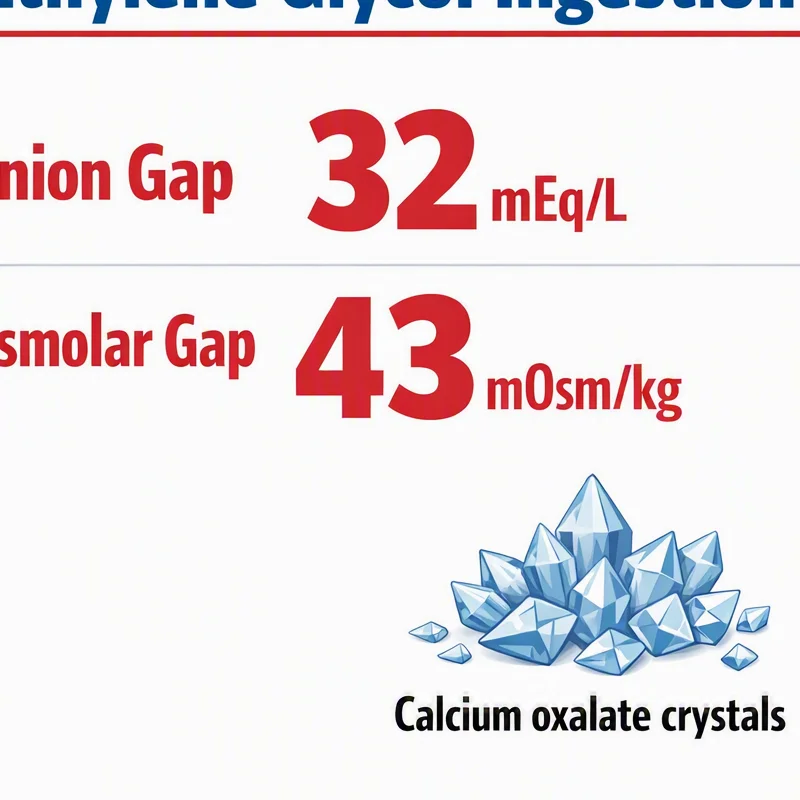
Other causes of high anion gap metabolic acidosis include toxic alcohols, salicylates, and less common metabolic conditions. While this article addresses outpatient lab interpretation, a markedly elevated value should never be ignored. It may represent a clinically significant acid-base balance problem that needs prompt supportive testing and follow-up.
A practical point in outpatient labs is that symptoms may be subtle or absent. Mild nausea, fatigue, shortness of breath, or confusion may be the only clues. Because of that, the anion gap works best as a screening marker that initiates further clinical interpretation, not as a final diagnostic endpoint.
Understanding a Standard or Low Anion Gap
A normal anion gap does not exclude disease. In fact, standard anion gap metabolic acidosis can still be present even when the anion gap looks ordinary. In those situations, the issue is usually a decrease of bicarbonate that is balanced by a rise in chloride, rather than accumulation of unmeasured acids.
A decreased anion gap is less common, but it deserves attention in outpatient labs. The main causes include hypoalbuminemia, paraproteinemia, and lab error. Low albumin reduces the baseline amount of unmeasured anions and can make the result appear artificially low. This is why the albumin-corrected anion gap is highly useful for more accurate clinical interpretation.
Paraproteinemia, such as from monoclonal proteins, can shift the charge balance in blood chemistry and influence the anion gap. In these instances, a low or unexpectedly normal result may be a clue to a separate underlying problem rather than a harmless finding. Meanwhile, lab error remains an important possibility whenever the result does not fit the clinical picture. Rechecking the specimen or repeating the electrolyte panel may be the next step.
In outpatient assessment, a low or normal result should be evaluated alongside symptoms, albumin, kidney function, and the overall lab trend. The goal is to avoid overcalling a benign finding while also not missing a hidden disorder.
Common Causes of Irregular Results
Atypical anion gap results often indicate a limited set of significant issues. In clinic visits, the leading causes are toxic ingestion, renal failure, and dehydration. All of these can alter serum electrolytes and acid-base balance in different ways.
Toxic ingestion may include substances including toxic alcohols, which can produce a dangerous high gap by generating unmeasured acids. This is a classic cause of high anion gap metabolic acidosis and should be kept in mind when the laboratory pattern is striking or the history suggests exposure.
Renal failure reduces acid excretion and can increase the anion gap as metabolic waste accumulates. Even mild changes in renal function may affect the lab pattern, especially when paired with medication use or dehydration. In outpatient labs, kidney-related changes often need repeat testing and trend review rather than a one-time decision.
Dehydration can increase blood chemistry values and sometimes uncover a metabolic disturbance that was harder to see before. While dehydration alone does not account for every abnormal anion gap, it can aggravate electrolyte imbalance and increase other abnormalities. A detailed patient evaluation should consider oral intake, fluid losses, and recent illness.
Other additional factors can include poor nutrition, chronic illness, diabetes, and medication effects. The most important point is that the anion gap should always be treated as part of a larger workup, not a stand-alone conclusion.
Medical Points for Ambulatory Settings
Outpatient labs require a separate approach than urgent testing. Results are often checked after the fact, which means the patient may be stable, improving, or completely asymptomatic. That makes clinical context crucial for accurate lab interpretation. The same result can have quite different importance depending on the setting.
As an example, a small anion gap elevation in a patient with known diabetes, vomiting, or poor intake may point to ketoacidosis. A similar value in someone with chronic kidney disease could indicate renal function changes or a progressive metabolic disturbance. In a patient with low albumin, the uncorrected result may downplay the true acid-base disorder. This is where the albumin-corrected anion gap becomes especially useful.
Clinic labs also benefit from follow-up testing. Repeating the electrolyte panel, checking albumin, reviewing the basic metabolic panel trend, and ordering supportive testing can determine whether the result is short-lived or ongoing. If the initial result suggests high anion gap metabolic acidosis or another acid-base imbalance, additional blood chemistry studies may be needed to identify the cause.
Another outpatient issue is that a minor abnormality may not require urgent action if the patient is well and the trend is stable. Still, unexplained changes warrant attention, especially when accompanied by symptoms or risk factors for toxic alcohols, ketoacidosis, renal failure, or lactic acidosis. Good outpatient assessment maintains caution with context.
Ultimately, the Anion Gap Calculator is best used when used as part of a organized approach to patient evaluation. It helps clinicians recognize abnormal patterns, decide when further workup is needed, and interpret laboratory results in light of the entire clinical picture.
FAQs
What is an anion gap calculator used for?
An anion gap calculator is used to interpret blood chemistry results by estimating the difference between measured cations and anions. It helps detect possible metabolic acidosis, especially high anion gap metabolic acidosis, and aids clinical interpretation of outpatient labs.
How do you compute anion gap from sodium, chloride, and bicarbonate?
The usual formula is sodium minus the sum of chloride and bicarbonate. In other words, anion gap = sodium − (chloride + bicarbonate). It uses measurements from an electrolyte panel or basic metabolic panel to calculate unmeasured anions.
What’s the normal anion gap range?
The reference range varies by laboratory and analyzer, so the normal anion gap range should always be compared with the lab’s stated reference range. Some labs also report different values depending on whether albumin correction is used.
Why do you correct the anion gap for albumin?
You correct the anion gap for albumin because low albumin can hide an elevated gap. Albumin is a major unmeasured anion, so hypoalbuminemia can make the result appear normal even when an acid-base disorder is present. Albumin correction improves the corrected value and makes interpretation clearer.
What does a high anion gap mean in outpatient lab results?
A high anion gap in outpatient lab results usually suggests excess unmeasured acids and may indicate lactate buildup, a ketotic state, renal failure, or toxic alcohols. It should be interpreted with the clinical clinical effect of hypoalbuminemia on anion gap picture, symptoms, and follow-up testing rather than as a sole diagnosis.